
Seasonal Pest Problems and How to Prevent Them
To prevent seasonal pest problems and how to prevent them, local service providers can assess your home and implement effective control strategies tailored to each season.
Understanding seasonal pest problems and how to prevent them is essential for property owners looking to maintain a comfortable and pest-free environment throughout the year. As pests tend to arrive or become more active during specific times of the year, knowing what to expect can help prevent infestations before they start. Whether it’s insects seeking warmth in the winter or rodents looking for shelter in the fall, local contractors specializing in seasonal pest control can provide tailored solutions that address these unique challenges and keep properties protected year-round.
Property owners in the area often find it practical to explore seasonal pest prevention because early intervention can save time, money, and stress down the line. Local service providers have the experience to identify common seasonal issues and recommend effective strategies to minimize pest activity. Keep reading to discover practical tips and insights about seasonal pest problems and how local pros can assist in creating a proactive plan to keep pests at bay, ensuring a healthier, more comfortable space for everyone.
- Seasonal Pest Control services are recommended when pests become active during specific times of the year, and local contractors use targeted treatments to reduce their populations. Preventive Pest Management is useful before pests arrive, with pros applying barrier methods and inspections to keep pests out of homes and yards. Spring and Fall Pest Treatments help address common seasonal pest issues, with service providers tailoring approaches based on local pest activity patterns. Rodent and Insect Prevention services are often sought when signs of infestation appear, with pros implementing exclusion and sanitation strategies to minimize future problems. Seasonal Pest Monitoring helps homeowners stay ahead of pest problems, with local contractors offering ongoing inspections and advice to prevent seasonal pest problems.
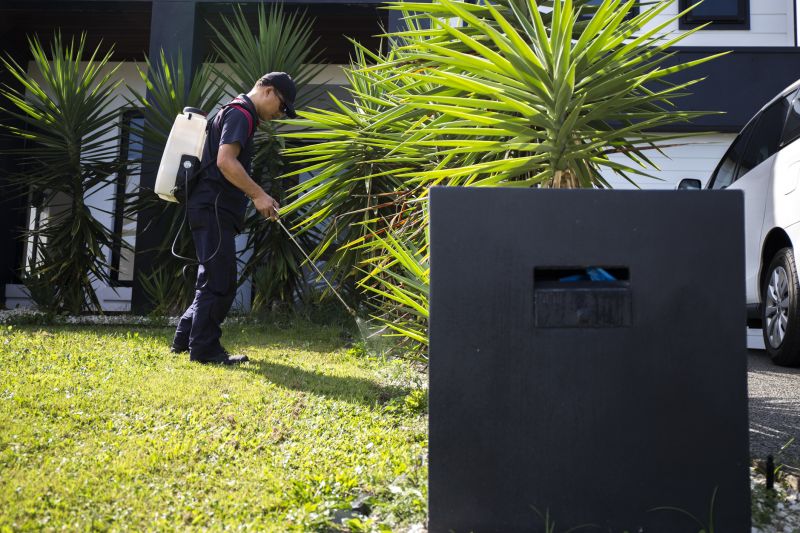
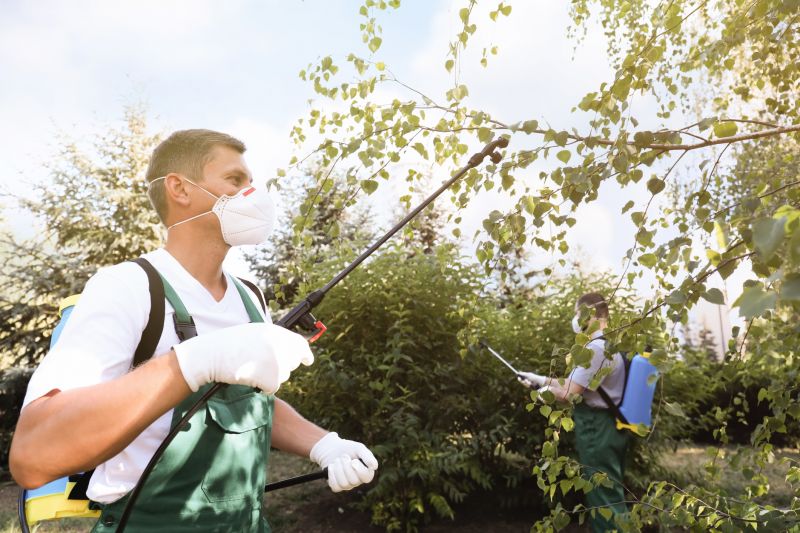
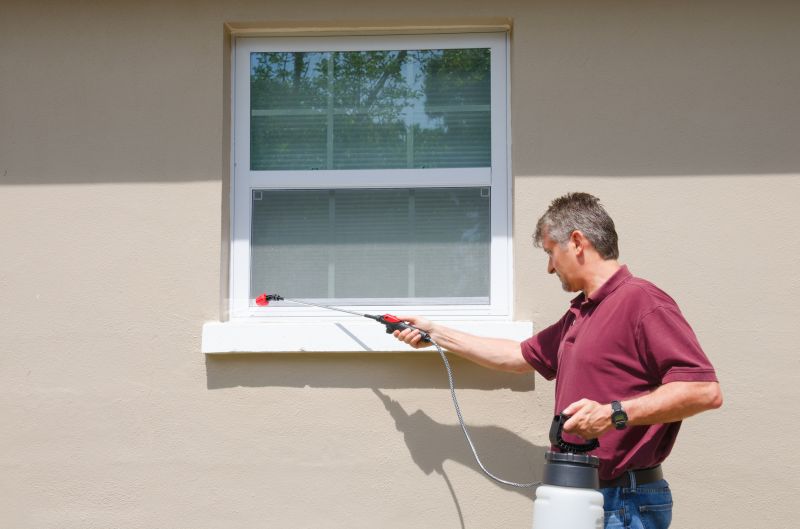
Seasonal pest problems and how to prevent them are common concerns for homeowners throughout the year. As temperatures change and seasons shift, different pests become active, seeking food, water, and shelter. For example, spring often brings an increase in ants, termites, and early-season mosquitoes, while summer can see a surge in flies and stinging insects. Fall and winter may not seem as problematic, but certain pests like rodents and spiders tend to seek warmth indoors during colder months. When searching for solutions, many homeowners are looking for practical advice on how to minimize these seasonal invasions and protect their properties from pests that are most active during specific times of the year.
These seasonal pest issues are often tied to the life cycles and behaviors of common pests. For instance, ants tend to swarm and establish new colonies in the spring, while mosquitoes lay eggs in standing water that accumulates during rainy seasons. Termites often become a concern during warm, humid months when they forage for wood and cellulose materials. Preventative plans typically involve eliminating breeding sites, sealing entry points, and maintaining property conditions that discourage pests from settling in. Homeowners may also seek the help of local service providers who specialize in seasonal pest control, as these professionals understand the timing and tactics needed to address pests at their most active stages.
Properties affected by seasonal pest problems vary widely but generally include residential homes, especially those with yards, gardens, or nearby wooded areas. Single-family houses are common targets, particularly if they have cracks, gaps, or poorly sealed windows and doors that pests can exploit. Multi-unit buildings, such as apartments and condominiums, are also vulnerable, especially in shared spaces like basements and laundry rooms. Additionally, outbuildings, garages, and sheds can serve as nesting sites for pests seeking shelter from the elements. Homeowners often find that investing in seasonal pest prevention measures-such as barrier treatments, sealing entry points, and routine inspections-can significantly reduce the likelihood of infestations, with local contractors providing tailored solutions based on property type and local pest activity.
Understanding how seasonal pest problems relate to specific property types and environmental conditions helps homeowners plan effective prevention strategies. Local pros can assess the unique risks associated with each property, offering targeted treatments that align with seasonal pest activity. Whether it’s installing barriers before pests emerge or treating problem areas during peak seasons, these professionals play a key role in helping homeowners maintain pest-free environments year-round. By addressing seasonal pest problems proactively, residents can avoid costly damages and discomfort, ensuring their homes remain protected during every season.
Home sealing projects - ensuring proper sealing and insulation can help prevent pests from entering homes during seasonal changes, similar to pest prevention strategies.
Gutter cleaning services - keeping gutters clear reduces moisture buildup that attracts pests, aligning with seasonal pest control efforts.
Landscape maintenance - managing yard and garden conditions can minimize pest habitats and complement seasonal pest prevention plans.
Rodent-proofing services - installing barriers and entry point closures directly support efforts to prevent seasonal pest problems.
Mosquito control treatments - targeting mosquito breeding sites aligns with pest prevention during specific seasons and involves similar planning skills.
Tree and shrub trimming - reducing overgrown vegetation limits pest nesting areas, supporting seasonal pest control initiatives.
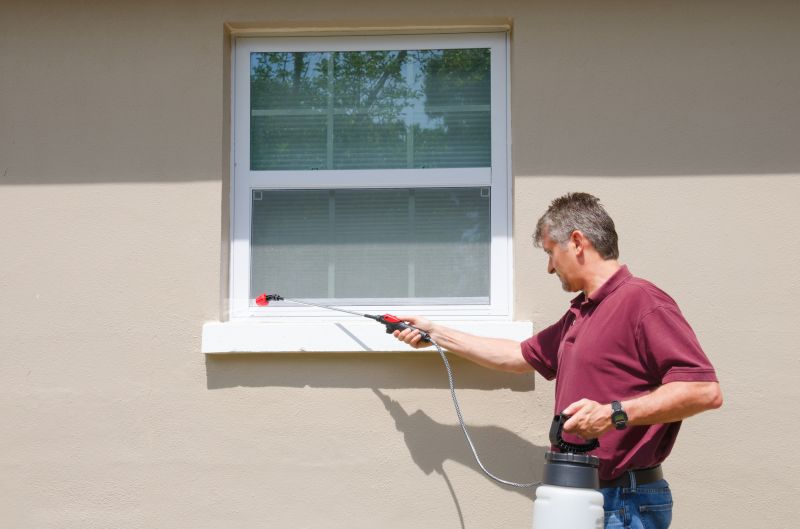
When comparing local contractors for seasonal pest problems and how to prevent them, it’s important to evaluate their experience with similar projects. Homeowners should look for service providers who have a proven track record in handling seasonal pest control and prevention efforts specific to their area. An experienced contractor will understand the common pests that emerge during different seasons and be familiar with effective strategies to address them, which can lead to more reliable results. Asking for references or reviews from past clients who have faced similar pest challenges can provide insight into a contractor’s ability to deliver consistent, quality work.
Clear written expectations are essential when choosing a service provider for seasonal pest control. Homeowners should seek out contractors who can provide detailed explanations of the services included, the scope of work, and any follow-up or maintenance recommendations. Having a transparent outline of what to expect helps prevent misunderstandings and ensures that both parties are aligned on the goals of the treatment plan. Service providers who communicate expectations clearly are more likely to deliver a tailored approach that effectively addresses seasonal pest issues and offers guidance on how to prevent future problems.
Good communication and reputable references are key factors in selecting a dependable contractor. Homeowners should look for service providers who are responsive to questions and can offer straightforward, easy-to-understand information about their pest control methods. Additionally, reputable references or reviews from previous customers can help verify a contractor’s professionalism and effectiveness. Choosing a provider known for transparent communication and positive feedback can contribute to a smoother experience and greater confidence that seasonal pest problems will be managed effectively, with preventative measures clearly explained and implemented properly.
Property owners often search for seasonal pest problems and how to prevent them when they are planning practical projects around their homes and businesses. Local pros provide Seasonal Pest Control services for everyday jobs and straightforward project options.


Seasonal pest problems and how to prevent them are common concerns for property owners throughout the year. As temperatures change, certain pests become more active, seeking food, water, and shelter around homes and businesses. For example, insects like ants, mosquitoes, and flies tend to increase during warmer months, while rodents and spiders might seek indoor warmth as the weather cools. Many property owners look up this topic to find simple, effective ways to protect their spaces from infestations, especially during peak pest seasons. Engaging with local contractors who specialize in seasonal pest control can help address these issues proactively, ensuring that preventative measures are in place before pests become a problem.
Understanding seasonal pest problems and how to prevent them often prompts property owners to consider professional pest control services suited to each season’s challenges. Local service providers can offer tailored treatments and advice to help keep unwanted pests at bay, reducing the risk of damage or health concerns. Whether it’s sealing entry points before rodents move in or eliminating breeding sites for mosquitoes, these experts can deliver targeted solutions that match the specific needs of the season. Connecting with local contractors ensures that pest prevention efforts are timely and effective, providing peace of mind during the months when pests are most active.
What are common seasonal pest problems and how can they be prevented? Seasonal pest problems vary throughout the year, including ants in spring, mosquitoes in summer, and rodents in fall. Local contractors can provide targeted treatments and preventative measures to reduce these issues during each season.
How do seasonal changes influence pest activity? Changes in temperature and weather patterns can increase pest activity at certain times of the year. Service providers can help implement proactive strategies to minimize pest problems caused by seasonal fluctuations.
What preventive steps can homeowners take for seasonal pest issues? Homeowners can eliminate standing water, seal entry points, and keep their property tidy. Local pest control experts can offer advice and treatments to enhance these efforts and prevent infestations.
When should I seek professional pest control for seasonal pest problems? It’s best to contact local service providers before pests become a major problem, typically ahead of peak activity seasons, to establish effective prevention strategies.
How can seasonal pest control services help maintain a pest-free home year-round? Seasonal pest control services provide tailored treatments and inspections to address pests specific to each season, helping maintain a healthier, pest-free environment throughout the year.
Identify seasonal pest entry points - property owners can inspect and seal gaps around windows, doors, and vents to reduce pest access, with local contractors providing expert assessments.
Implement outdoor landscaping adjustments - trimming trees and removing debris can help prevent pests from nesting near the home, and local pros can advise on effective landscaping practices.
Schedule preventative treatments - applying barrier sprays or treatments before peak pest seasons can keep pests at bay, with service providers offering tailored seasonal pest control plans.
Maintain proper sanitation and storage - storing food securely and cleaning up food debris can deter pests, while local pest control experts can recommend additional preventive measures.
If you are thinking about seasonal pest problems and how to prevent them for a property, this guide is meant to help you understand this topic, the typical project types, and how different options might fit your plans.
When you are ready, you can use the quote form on this page to share a few details about your project. From there, local pros can review the basics and follow up with options that match what you have in mind.